
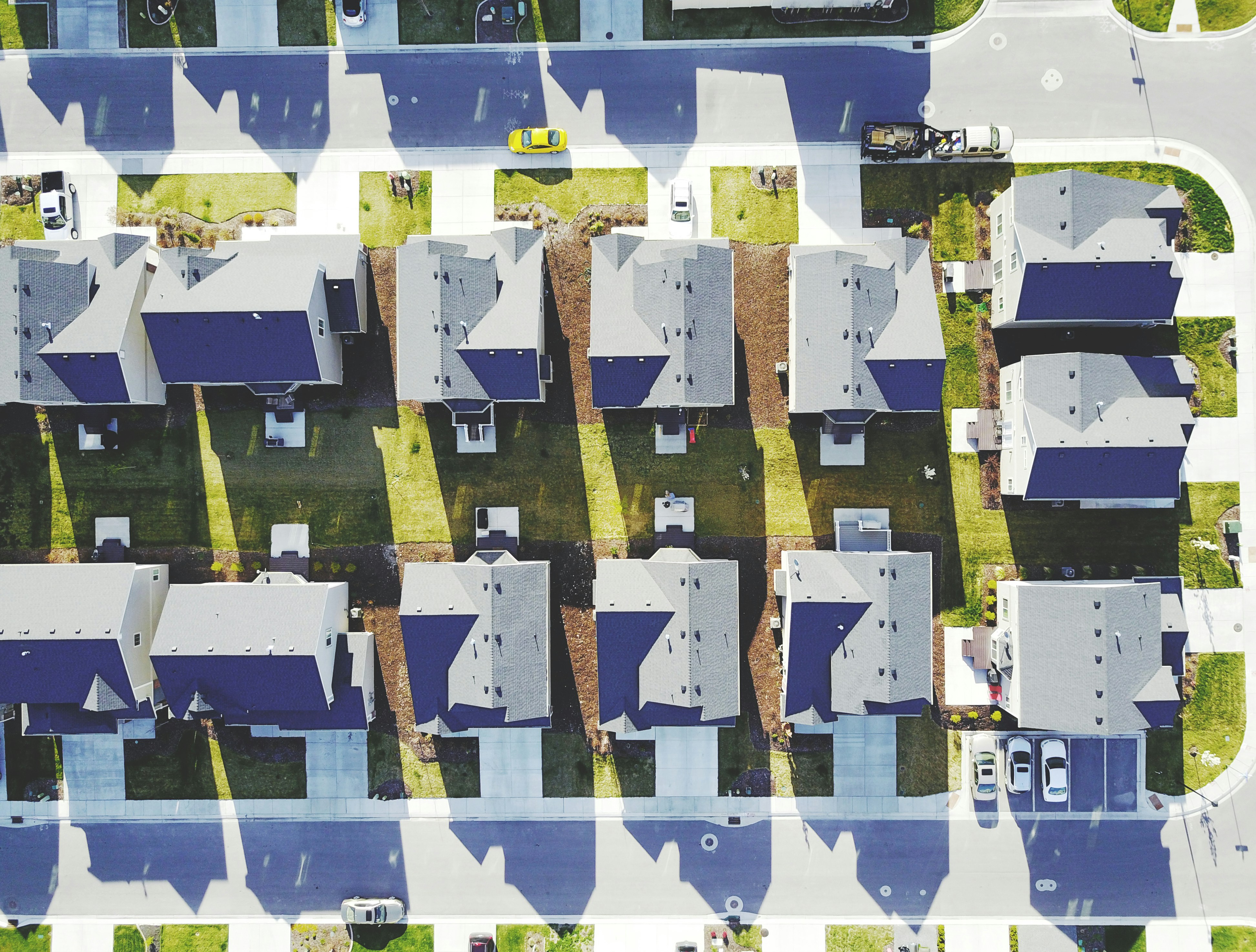
Modern Trends Transforming the Real Estate Industry in 2025
The real estate industry is undergoing a massive transformation driven by technology, sustainability, and changing consumer preferences. From smart homes and virtual property tours to green architecture and AI-powered analytics, today’s property market is redefining how people buy, sell, and live. Let’s explore the most impactful modern trends shaping real estate in 2025 and beyond
1. PropTech Revolution: The Digital Transformation of Real Estate
Technology—known as PropTech (Property Technology)—is revolutionizing every stage of the real estate lifecycle. Digital platforms now simplify buying, selling, renting, and managing properties.
-
AI and Data Analytics help predict property values, analyze market demand, and suggest investment opportunities.
-
Blockchain is improving transparency and security in property transactions through smart contracts.
-
Virtual Reality (VR) & Augmented Reality (AR) are transforming property viewing by allowing buyers to take immersive 3D tours from anywhere in the world
2. Sustainable and Green Building Designs
With increasing awareness of climate change, developers are prioritizing eco-friendly designs and sustainable construction.
-
Solar panels, rainwater harvesting, and energy-efficient appliances are now standard features in modern homes.
-
Green certifications (like LEED or IGBC) add value and attract environmentally conscious buyers.
-
Sustainable materials and smart insulation help reduce the carbon footprint of new projects.
3. Smart Homes and IoT Integration
Home automation has moved from luxury to necessity.
-
IoT-enabled devices such as smart locks, thermostats, and lighting systems enhance convenience and security.
-
Voice assistants like Alexa and Google Home manage daily home functions.
-
These technologies also help monitor energy consumption, improving efficiency and reducing utility costs.
4. Remote Work and the Rise of Home Offices
The post-pandemic world has shifted the demand for real estate.
-
Buyers now prefer larger homes with dedicated office spaces and outdoor areas.
-
Co-living and hybrid office spaces are becoming popular as people balance remote and on-site work.
-
Suburban and smaller city markets are seeing a rise in demand due to lower costs and better quality of life.
5. Co-Living and Shared Spaces
Urban professionals and students are embracing the co-living trend—affordable, community-driven living spaces with shared amenities.
-
These setups promote social interaction, convenience, and affordability.
-
Real estate developers are now designing buildings optimized for shared living, offering modern facilities like gyms, cafes, and lounges.